

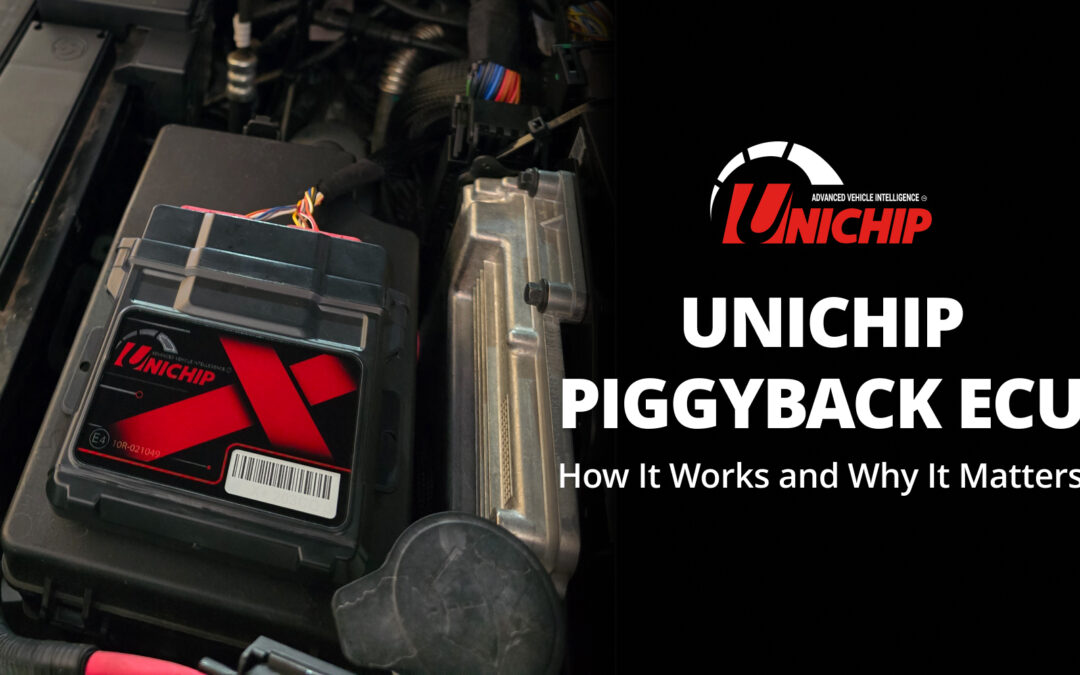
Unichip Piggyback ECU: How It Works and Why It Matters
What Is a Unichip Piggyback ECU? (Quick Definition) A Unichip piggyback ECU is a programmable engine management system that works alongside a vehicle’s factory ECU to optimise performance, drivability, and efficiency without overwriting the original ECU software....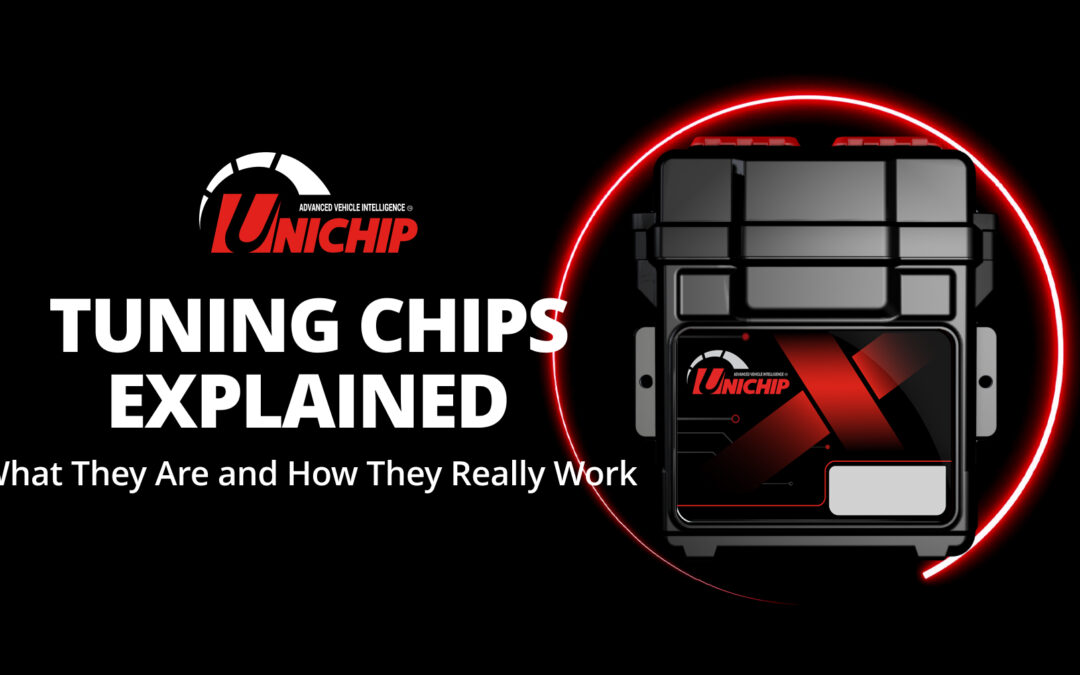
Tuning Chips Explained: What They Are and How They Really Work
What Are Tuning Chips? (Quick Definition) Tuning chips are aftermarket devices designed to modify how an engine operates by adjusting signals related to fuel delivery, airflow, or boost. They are commonly used to improve performance or efficiency, although not all...
Ford Ranger T9: What Owners Should Know About Performance, Tuning, and Reliability
What Is the Ford Ranger T9? (Quick Definition) The Ford Ranger T9 is the latest generation of Ford’s Ranger platform, designed for improved performance, efficiency, and capability. It features updated engine options, refined drivetrain systems, and advanced electronic...
Why Power Gains Vary Between Identical Vehicles
Why Do Identical Vehicles Produce Different Power Gains? (Quick Definition) Even identical vehicles can produce different power gains because engine performance is influenced by variables such as condition, mileage, fuel quality, environmental factors, and...
Diesel Tuning Explained: What It Does, What Changes, and What Actually Matters
What Is Diesel Tuning? (Quick Definition) Diesel tuning is the process of adjusting how a diesel engine delivers fuel, manages airflow, and controls torque to improve drivability, efficiency, and performance while maintaining safe operating conditions. ...
Unichip Piggyback System: How It Works and Why It Matters
What Is a Unichip Piggyback System? (Quick Definition) A Unichip piggyback system is a fully programmable engine management system installed between a vehicle’s ECU and its sensors. It works alongside the factory ECU to optimise performance, drivability, and...
Are Turbo Diesel Engines Reliable? What Really Determines Longevity
Reliability Depends on More Than the Engine Type Turbo diesel engines are widely used in towing, commercial vehicles, and overlanding platforms. They are often associated with durability and long service life. However, reliability is not determined by engine type...
What Is a Unichip?
What Is a Unichip? (Quick Definition) A Unichip is a fully programmable piggyback engine management system installed between a vehicle’s ECU and its sensors. It works alongside the factory ECU to optimise performance, drivability, and efficiency without permanently...
Daily Driving vs Performance Maps: How Multi-Map Tuning Works
One Calibration Cannot Suit Every Scenario Modern vehicles operate in a wide range of conditions. Daily commuting, highway cruising, towing, spirited driving, and heavy-load situations all place different demands on the engine and drivetrain. A single calibration...
Overlanding and Touring: How to Tune for Reliability, Not Stress
What Is an Overlanding Truck Setup? An overlanding truck setup is a vehicle configured for long-distance, off-road travel, typically equipped with additional load such as rooftop tents, recovery gear, and storage systems. This added weight and sustained operating...
ECU Safety Strategies Explained: What the Factory Protects (and Why)
Modern ECUs Are Designed to Protect, Not Just Perform Modern engine control units (ECUs) are often viewed purely as performance managers. In reality, their primary function is protection. Before power, before efficiency, before emissions compliance, the factory ECU is...
Why Intake Upgrades Alone Rarely Add Power
Introduction: The Intake Upgrade Expectation Intake upgrades are often marketed as an easy way to increase power. The assumption is straightforward: improve airflow into the engine and performance will improve automatically. In reality, intake upgrades alone rarely...
Why “More Boost” Isn’t Always More Power
Introduction: The Boost Myth in Performance Tuning Boost pressure is often treated as a shortcut to power. The assumption is simple: increase boost and power will follow. In practice, this mindset leads to inefficient tuning and, in some cases, mechanical failure....